
Understanding the “Why”
One of the most important parts of following any health protocol is understanding why the steps exist in the first place.
When people begin a dietary or supplement protocol without understanding the reasoning behind it, the process can quickly start to feel overwhelming or restrictive. Being told to avoid certain ingredients or change familiar habits can create a sense of losing control. In reality, the purpose of these protocols is the opposite — they are designed to restore a sense of control over the internal environment of the body.
Understanding the science behind the choices in a protocol can make the process far more empowering. When you understand the role of ingredients, the way the body processes nutrients, and the biological reasons behind symptoms, decisions become easier to navigate. Instead of feeling like you are following a confusing list of rules, you begin to make choices based on a growing and informed understanding of how your body works.
This knowledge provides grounding. It helps transform a protocol from something rigid and intimidating into something that can be approached with curiosity, patience and confidence.
Why Education Matters
A thoughtful understanding of the protocol helps prevent one of the most common mistakes people make when exploring health strategies: stacking too many restrictions too quickly.
Many individuals who struggle with persistent symptoms have already experimented with several diets or lifestyle approaches before arriving at a new protocol. Without a clear understanding of how each element works, it can be easy to combine multiple restrictive systems at once. This often leads to increased anxiety around food, reduced nutritional variety, and ultimately a sense of burnout.
Learning the reasoning behind each stage of the protocol allows you to move forward with intention rather than urgency. It gives the body the time it needs to adapt and respond, while also helping you recognise when adjustments are appropriate.
In this way, understanding the “why” becomes a form of self-support.
Supporting the Body Properly
Another important aspect of understanding the protocol is recognising that dietary changes alone are rarely enough.
When the body begins shifting its internal balance — particularly during phases that involve reducing microbial overgrowth or detoxifying stored compounds — the system needs adequate support to process and eliminate waste products.
This is why supplements, mineral support, hydration, and structured routines are included within the protocol. Nutrients, digestive enzymes, binders, and supportive minerals help ensure that the body has the tools it needs to handle the biological changes that may occur.
Equally important is understanding the timing and structure of supplements. Taking them in the correct sequence and at appropriate times allows the body to use them more effectively and reduces unnecessary strain on the digestive system.
Lifestyle Factors Matter Too
Food is only one part of the equation.
The protocol also includes a range of simple lifestyle practices designed to support the body’s natural systems. These include:
• breathing exercises to support oxygenation and toxin removal through the lungs
• posture awareness to reduce physical strain and support neural communication
• lymphatic activation to encourage circulation of lymphatic fluid
• gentle movement and light exercise
• adequate hydration
• restorative sleep routines
Additional practices such as Epsom salt baths, mindful breathing, and calm daily routines can further support the body during periods of recovery.
None of these practices need to be performed perfectly. Their value comes from consistency rather than intensity.
A Balanced Relationship With the Protocol
Perhaps the most important message of this page is that the protocol should not become a source of fear or pressure.
It is intended to be a tool for guidance, not a rigid system that controls your life. The purpose of understanding the science behind it is not to encourage perfectionism, but to give you the confidence to make informed decisions.
When approached with patience, awareness, and flexibility, the protocol can become something that supports you rather than something that feels restrictive.
The goal is not to become trapped in endless rules.
The goal is to learn, adapt, and gradually restore balance within the body.
Continuing Your Learning
The resources and explanations provided throughout this website have been gathered with the intention of helping people better understand the foundations behind the protocol.
Everyone’s body and experiences are different, and learning will always be an ongoing process. Use the information here as a guide, explore it at your own pace, and allow it to inform the choices that feel right for your individual situation.
Knowledge, when approached with curiosity rather than pressure, can be one of the most powerful tools in rebuilding health.
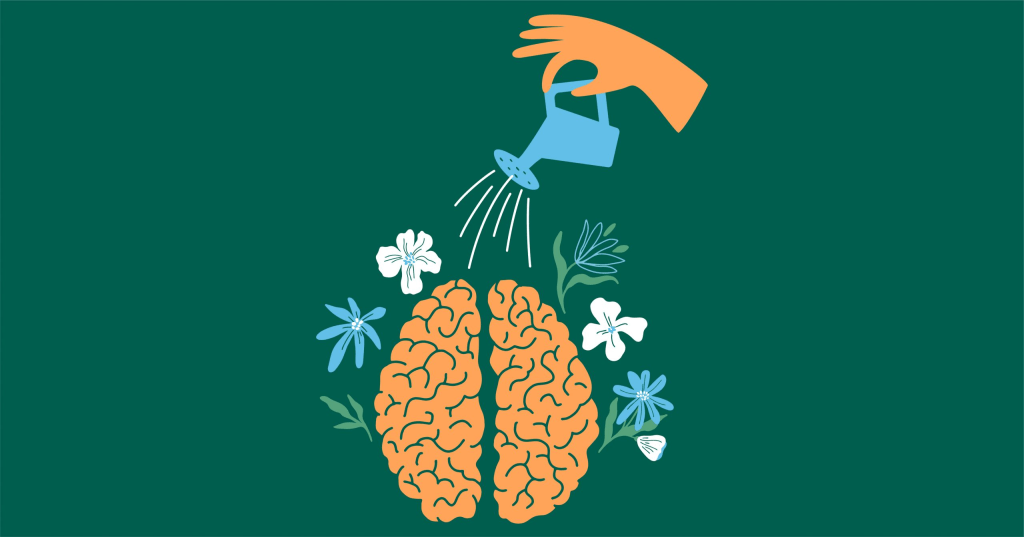
The Eight Biological Systems This Protocol Supports
Rather than targeting a single symptom or condition, the Multi-Symptom Reset aims to support several interconnected systems within the body.
Many chronic or overlapping symptoms do not arise from one isolated issue. Instead, they often reflect patterns involving digestion, immune signalling, stress regulation, metabolic balance and inflammation.
By supporting multiple systems gradually and consistently, the body is given the opportunity to stabilise and rebuild resilience over time.
The protocol therefore focuses on eight key biological systems.
1. Digestive Function
The digestive system is responsible for breaking down food, absorbing nutrients, and preparing waste for elimination.
When digestion becomes irritated or inefficient, symptoms can appear such as:
• reflux or throat irritation
• bloating
• irregular bowel habits
• difficulty tolerating certain foods
Early phases of the protocol prioritise calming irritation and simplifying meals so that the digestive system can function more predictably.
Simple cooking methods, consistent meal rhythm, and gentle foods allow the digestive tract to recover from constant stimulation.
2. Gut Barrier Integrity
The lining of the digestive tract acts as a selective barrier between the external environment (food and microbes) and the internal systems of the body.
When this barrier becomes irritated or compromised, immune responses can become more reactive and food tolerance may temporarily decrease.
Supporting gut barrier integrity involves:
• reducing inflammatory triggers
• maintaining nutrient intake
• stabilising digestion before introducing complexity
This is one reason why the protocol avoids stacking multiple restrictive diets at the same time.
3. Microbiome Balance
The gut microbiome consists of trillions of microorganisms that interact with digestion, metabolism and immune signalling.
A diverse and balanced microbiome can help support:
• nutrient metabolism
• immune regulation
• gut barrier maintenance
• inflammatory balance
Rather than aggressively targeting microbes, the protocol aims to support balance through:
• gradual fibre diversity
• whole foods
• reducing inflammatory load
• introducing antimicrobial foods carefully when the body is ready
This is why Phase 3 focuses on rebuilding microbial diversity rather than simply eliminating organisms.
4. Immune System Regulation
A large portion of the immune system interacts with the digestive tract.
Food particles, microbes and environmental compounds are constantly evaluated by immune cells in the gut.
When the system becomes overreactive, this may contribute to patterns such as:
• food sensitivities
• skin flare-ups
• inflammatory symptoms
• fatigue
Stabilising digestion and microbial balance can help reduce unnecessary immune activation.
The protocol therefore focuses on reducing constant inflammatory triggers while maintaining adequate nutrition.
5. Nervous System Regulation
The digestive system and nervous system are closely connected through the gut-brain axis.
Stress, sleep disruption and overstimulation can directly influence digestive activity, hormone signalling and immune responses.
This is why the protocol includes simple practices that support nervous system balance, such as:
• breathing exercises
• meal rhythm
• sleep support
• gentle movement
These practices help shift the body away from constant “fight-or-flight” signalling and toward a more restorative state.
6. Detoxification Pathways
The body naturally processes metabolic waste and environmental compounds through several systems including:
• the liver
• the digestive system
• the kidneys
• the lungs
• the lymphatic system
• the skin
Supporting these systems involves maintaining hydration, regular elimination, and gentle movement.
The protocol includes practices such as:
• drinking adequate water
• encouraging regular bowel movements
• breathing exercises to support lung function
• lymphatic stimulation and movement
These practices are intended to support the body’s natural elimination pathways rather than force detoxification.
7. Metabolic Stability
Blood sugar fluctuations and metabolic stress can influence energy levels, appetite, inflammation and mood.
Meals built around whole foods, balanced macronutrients and consistent timing can help stabilise metabolic signalling.
For many people this results in:
• steadier energy levels
• reduced cravings
• improved concentration
• more stable mood
Stable metabolic signalling also supports hormone balance and stress resilience.
8. Lymphatic Circulation
The lymphatic system plays an important role in immune activity and fluid balance.
Unlike the circulatory system, the lymphatic system does not have a central pump. Instead, it relies heavily on movement and muscular activity.
Simple practices can help stimulate lymphatic circulation, including:
• gentle body movement
• stretching
• dry brushing
• massage techniques
• hydration
These practices are included in later stages of the protocol as supportive lifestyle tools.
Bringing the Systems Together
Each of these systems interacts with the others.
Digestive function influences immune signalling.
The microbiome interacts with the nervous system.
Stress can alter digestion.
Metabolic balance affects inflammation.
For this reason, meaningful change often occurs when several supportive practices are applied consistently rather than relying on a single intervention.
The Multi-Symptom Reset focuses on creating those supportive conditions step by step.
Stability first.
Rebuild second.
Sustain long term.
The Multi-Symptom Reset is not built around a single condition or a single theory.
Instead, it reflects a growing body of research suggesting that many seemingly unrelated symptoms may be connected through shared systems in the body — particularly the gut, immune system, nervous system, and metabolic regulation.
Understanding the reasoning behind the protocol helps reduce confusion and anxiety when making dietary or lifestyle changes. When people are asked to remove certain foods or adopt new routines without understanding the “why”, it can feel restrictive and arbitrary.
Learning the principles behind the protocol allows you to make informed choices rather than following rules blindly.
The goal is not to memorise every biochemical pathway, but to understand the core patterns that influence how the body responds to food, stress, sleep, and environmental exposures.
The Gut as a Central System
The digestive system does far more than simply break down food.
The gut is closely connected to several major body systems including:
• the immune system
• the nervous system
• hormone regulation
• metabolic signalling
• inflammatory pathways
A large portion of immune activity occurs in the gut-associated lymphatic tissue (GALT), where the body constantly evaluates incoming food particles, microbes, and environmental compounds.
When digestion is functioning well, the gut lining acts as a selective barrier. Nutrients are absorbed efficiently while potentially harmful substances are kept out of circulation.
However, when the gut environment becomes disrupted, several things may occur:
• digestive efficiency may decrease
• microbial balance may shift
• immune signalling may become more reactive
• inflammation may increase
These changes can influence symptoms that extend beyond digestion itself.
The Gut–Brain Connection
The gut and brain communicate continuously through what is often called the gut-brain axis.
This communication occurs through several pathways:
• the vagus nerve
• immune signalling molecules
• hormones and neurotransmitters
• microbial metabolites
Because of this connection, changes in digestion and microbiome balance can influence:
• mood
• energy levels
• cognitive clarity
• stress resilience
Similarly, psychological stress can alter digestive function through changes in nervous system activity.
This is why the protocol includes attention to:
• meal rhythm
• sleep
• breathing exercises
• nervous system regulation
Supporting digestion is not only about food — it also involves creating conditions where the body can shift out of constant stress signalling.
Microbiome Balance
The human digestive system contains trillions of microorganisms including bacteria, yeasts and other microbes.
Collectively, this ecosystem is known as the gut microbiome.
In a balanced state, these microbes contribute to many beneficial processes including:
• producing vitamins and short-chain fatty acids
• helping digest certain fibres
• interacting with the immune system
• supporting the gut barrier
However, microbial ecosystems can shift when exposed to factors such as:
• highly processed diets
• long-term stress
• antibiotics or medications
• poor sleep
• reduced dietary diversity
When microbial balance shifts significantly, symptoms can sometimes emerge.
Rather than aggressively targeting specific organisms, the Multi-Symptom Reset focuses on creating conditions that support microbial balance through:
• gradual fibre diversity
• whole foods
• reduced inflammatory triggers
• digestive stability
Inflammation and the Gut Barrier
The gut lining acts as a protective barrier between the digestive tract and the rest of the body.
This barrier must remain selectively permeable — allowing nutrients through while preventing unwanted substances from entering circulation.
Factors that may influence gut barrier integrity include:
• chronic inflammation
• microbial imbalance
• environmental stressors
• highly processed foods
• poor sleep and stress
When irritation persists, digestive sensitivity may increase and food tolerance may temporarily decrease.
For this reason, the early phases of the protocol prioritise calming irritation before introducing complexity.
Stabilising digestion first helps create the conditions needed for rebuilding tolerance later.
Why Sequencing Matters
Many people exploring dietary changes discover multiple protocols at once — such as:
• anti-inflammatory diets
• low-FODMAP diets
• low-histamine diets
• anti-candida approaches
• elimination diets
Each of these frameworks may have useful insights, but combining them simultaneously can sometimes create excessive restriction.
The Multi-Symptom Reset emphasises sequencing rather than stacking.
This means:
- stabilising digestion first
- gently reducing inflammatory drivers
- rebuilding microbial diversity
- reintroducing foods strategically
This phased approach helps reduce anxiety and improves long-term sustainability.
Detoxification and Elimination
The body has several natural systems that process and eliminate metabolic waste and environmental compounds.
These include:
• the liver
• the kidneys
• the digestive system
• the lymphatic system
• the lungs
• the skin
Lifestyle factors such as hydration, breathing, movement and sleep can influence how effectively these systems function.
This is why the protocol includes simple supportive practices such as:
• breathing exercises
• hydration
• light movement
• lymphatic stimulation
• regular bowel movements
These practices are not intended to force detoxification, but to support the body’s existing elimination pathways.
The Role of Food
Food provides more than calories.
Whole foods contain a wide range of compounds that interact with human biology, including:
• vitamins
• minerals
• phytonutrients
• fibre
• fatty acids
These compounds influence metabolic signalling, immune responses and microbial balance.
The protocol therefore emphasises whole, minimally processed foods as the foundation of recovery.
Rather than focusing on extreme restriction, the aim is to create a pattern of eating that supports digestive stability and nutritional adequacy.
Why Simplicity Matters
When symptoms are severe, complexity often increases stress rather than reducing it.
For this reason, the early stages of the protocol prioritise:
• simple meals
• repeatable ingredients
• predictable routines
Once stability improves, variety can gradually expand.
This approach helps avoid the cycle of constant dietary experimentation that many people experience when trying to solve persistent symptoms.
A Balanced Perspective
Nutritional science continues to evolve, and not every theory is universally agreed upon within medical research.
This site does not claim to provide definitive answers for every condition.
Instead, it offers a structured framework based on:
• current scientific understanding
• emerging research into gut health
• lived experience navigating complex symptoms
The aim is to provide a clear, practical pathway that individuals can explore responsibly while continuing to seek appropriate medical care where needed.
The Core Philosophy
The guiding idea behind the Multi-Symptom Reset is simple:
Stability first.
Rebuild second.
Sustain long term.
Health is rarely restored through a single intervention.
More often it improves through consistent small changes applied over time.
This framework is designed to support that process.
 Vision of Vitaliy