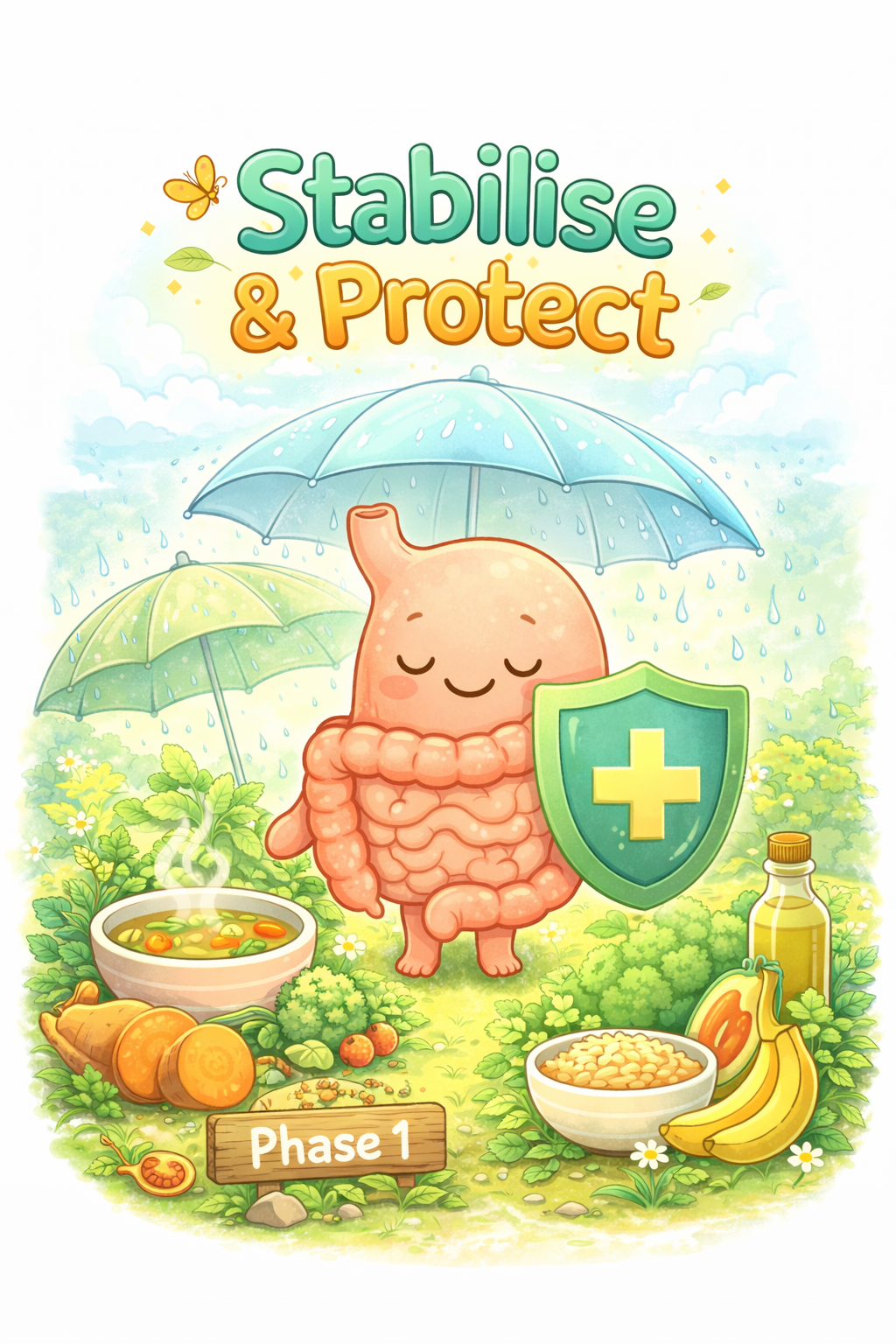
This phase is for you if reflux/LPR patterns, upper digestive irritation, or hernia-type symptoms are dominating your day and making it difficult to eat comfortably, sleep properly, speak or sing without irritation, or tolerate supplements.
The goal is not intensity.
The goal is stability.
Before rebuilding the microbiome or experimenting with deeper elimination protocols, the system needs to feel safe and nourished. If eating itself feels stressful or triggering, adding complexity too early can increase symptoms rather than reduce them.
This phase focuses on calming irritation, creating predictable meal structure, and reducing overall digestive load.
Goals for This Phase
• Reduce irritation and calm inflammatory triggers
• Make meals tolerable and repeatable
• Improve sleep and nervous system steadiness
• Support consistent nourishment
• Create enough stability to move into deeper gut work later
Progress here often looks like fewer flare-ups, more predictable digestion, and slightly improved resilience — not perfection.
Why Stabilising First Matters
When reflux or upper digestive irritation is active, the body can remain in a heightened stress state. This can affect appetite, absorption, sleep, and energy levels.
Trying to layer multiple dietary rules on top of that can:
• Increase anxiety around food
• Reduce nutrient intake
• Create inconsistent eating patterns
• Worsen fatigue
Stability allows the nervous system and digestive system to shift out of constant reactivity.
Meal Rhythm
Aim for at least three small, structured meals per day. If you’re anything like me, this might seem like an impossible task… but it is possible to rewire habits. If you have a good support network, don’t be afraid to communicate your needs, it can make all the difference. If not, then set yourself alarms, and don’t ignore them. Enforce your brain to react to the alarm positively to reinforce this pattern in the brain.
Spacing meals evenly can help prevent long hunger gaps that may aggravate symptoms, while avoiding large portions that overload the stomach. If larger meals worsen discomfort, smaller and more frequent meals are often better tolerated. Consistency matters more than variety in this phase. Simple, repeatable meals reduce decision fatigue and digestive unpredictability.
General Principles for Phase 1
• Prioritise gently cooked, easy-to-digest foods
• Avoid stacking multiple restrictive diets at once
• Limit obvious irritants that consistently trigger symptoms
• Eat in a calm environment where possible
• Support sleep routine and reduce late-night eating
This is not about aggressive elimination.
It is about reducing overwhelm.
Foods, Ingredients & Practical Guidelines
During Phase 1 the focus is simplicity.
Rather than experimenting with large amounts of new foods or supplements, the goal is to rely on a smaller group of ingredients that are generally easier for the digestive system to tolerate.
Consistency and predictability are more helpful in this phase than variety.
The lists below are intended as a practical starting guide. Individual tolerance will always vary, and if a particular food consistently triggers symptoms it should be paused and reintroduced later.
Core Foods Commonly Used in Phase 1
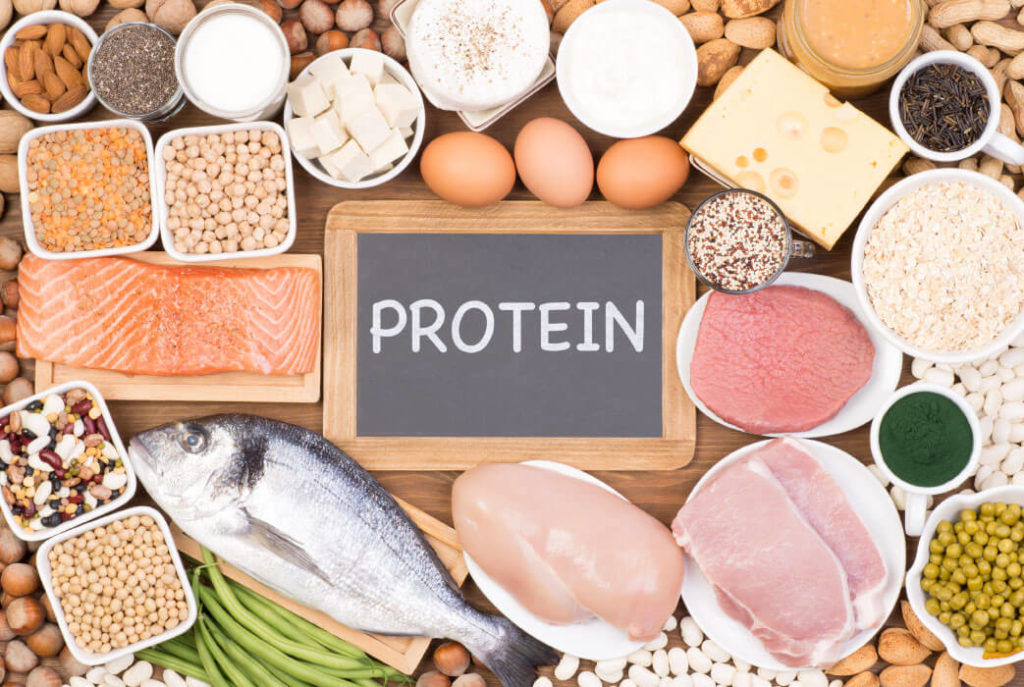
Simple Proteins
These are generally easier for many people to tolerate when prepared plainly.
• Chicken
• Turkey
• Fish and seafood (aim for wild fish – not farmed)
• Eggs (if tolerated)
• Tofu or tempeh
Red meat is generally best introduced later during phase 3 or phase 4 depending on how well tolerated, which can leave the body lacking of vital nutrients like zinc, selenium, potassium and B12.
To avoid deficiencies, it is important to incorporate lots of other foods that can replace red meat whilst it is avoided, such as seeds, nuts, chicken, salmon, eggs and brown rice – to name a few.
Vegetables Commonly Tolerated

Gently cooked vegetables are usually easier to digest than raw vegetables during the stabilisation phase.
Examples include:
• Broccoli
• Cauliflower
• Kale
• Spinach
• Cabbage
• Bok choy
• Carrots
• Celery
• Mushrooms
• Green beans
• Peas and snow peas
• Sweet potato
• Pumpkin
• Squash (acorn, butternut, summer squash)
• Artichokes
• Beetroot
• Eggplant
• Cucumber
• Lentils
• Chickpea
• Beans – if tolerated
Some vegetables such as onions, garlic, leeks, and bell peppers are typically introduced later once digestion has stabilised.
Fruits (Generally Gentle Options)
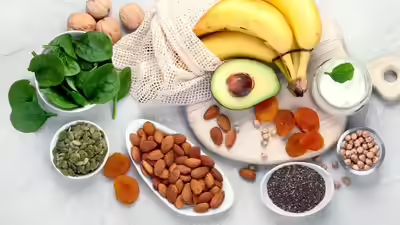
In Phase 1, fruit is often kept simple and used in moderate amounts.
Common examples include:
• Bananas
• Asian Pears
• Honeydew melon
• Papaya
• Lychee
• Avocado
• Persimmons
• Dates
Berries may be used in moderation in smoothies when blended with non-dairy milk such as almond milk and alkaline foods such as avocado to help balance acidity.
Whole Grains, Seeds & Carbohydrates
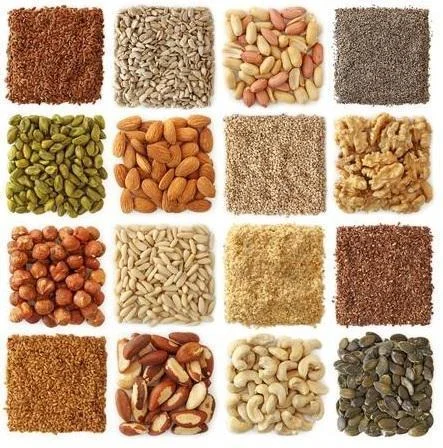
Whole grains provide steady energy and can help prevent long hunger gaps that may aggravate reflux patterns.
Examples include:
• Oats
• Brown rice
• Black rice
• Whole grains
• Brown rice cakes
• Whole grain pasta (avoid refined white pasta)
• Whole grain flours (avoid refined white flour)
Additional Supportive Grains, Seeds & Nuts
Some grains and seeds are often considered supportive due to their fibre, mineral content, and gentle digestive profile.
Examples include:
• Amaranth – naturally alkaline, especially when sprouted
• Millet – one of the few grains considered relatively alkaline forming
• Quinoa – a nutrient-dense seed commonly used as a grain alternative
• Buckwheat – naturally gluten-free and often noted for anti-inflammatory properties
• Sprouted grains – soaking or sprouting grains such as wheat, millet or quinoa can improve digestibility
• Flax seeds (whole or ground) – a useful source of fibre and omega-3 fats
• Chia seeds (whole or ground) – commonly used to support fibre intake and digestive regularity
• Hemp Seed/Hearts – aids digestion and heart health
• Linseed – supports digestive health, the heart and hormone regulation
• Pumpkin Seeds
• Sesame Seed
• Sprouted Seeds like Alfalfa and Mung Bean
• All Nuts Allowed in Phase 1
Preparing grains through soaking, sprouting or gentle cooking may improve tolerance for some individuals.
Healthy Fats
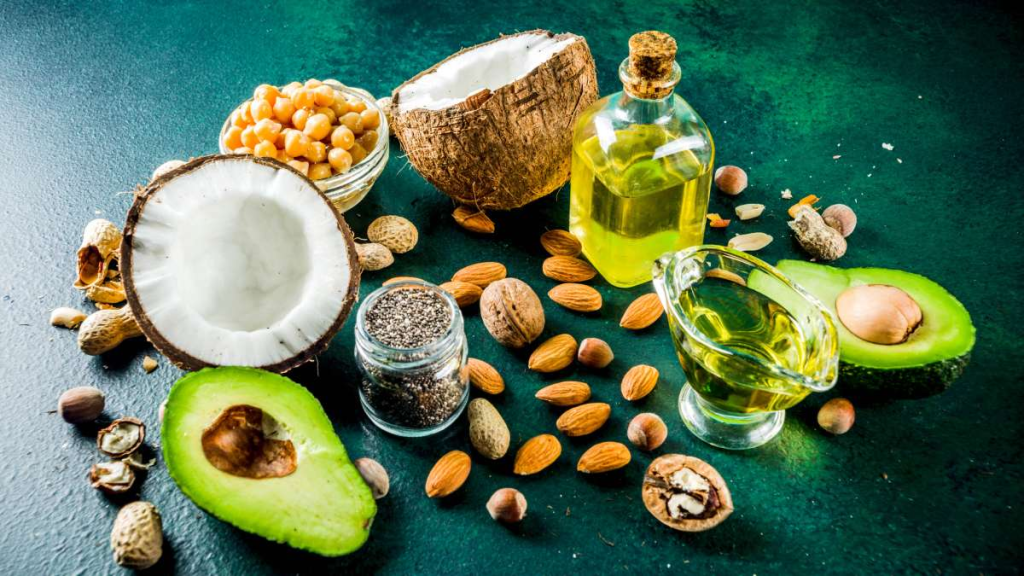
Fats are important but should remain moderate.
Typical examples include:
• Extra virgin olive oil
• Unrefined coconut oil
• Small amounts of butter
• Nuts and seeds (single ingredient)
• Nut or seed butters (single ingredient)
General guideline:
1–6 tablespoons of oils per day.
Herbs & Spices
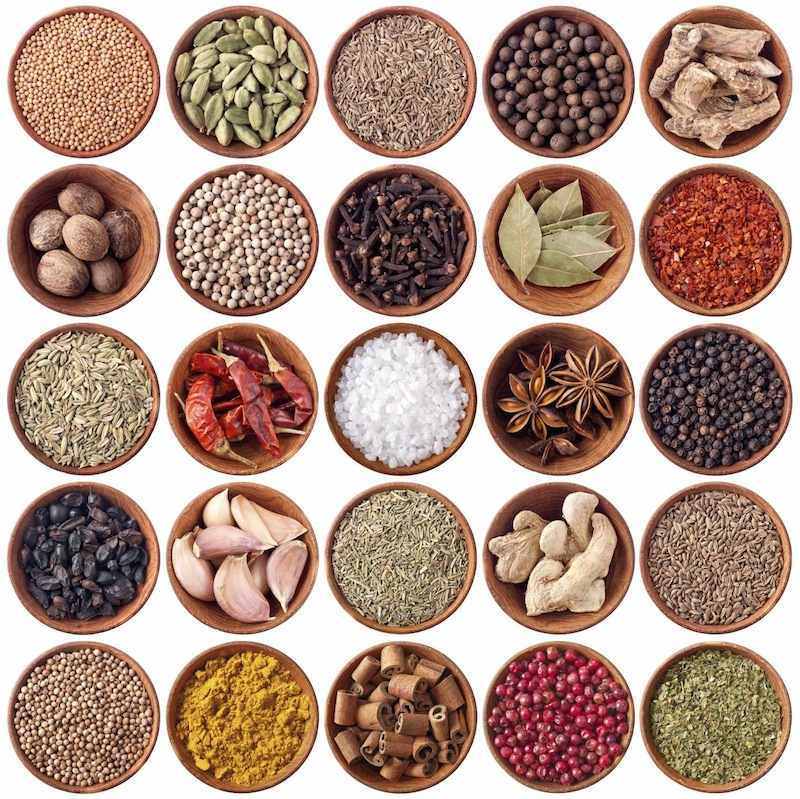
Gentle herbs are usually well tolerated and can add flavour without increasing irritation.
Examples include:
• Basil
• Dill
• Majoram
• Oregano
• Parsley
• Rosemary
• Thyme
• Sage
• Asafoetida
• Sumac
• Fennel
• Cinnamon (Ceylon & Cassia)
• Turmeric
• Ginger
• Nutmeg
• Cumin
• Coriander
• Bay leaf
• Tarragon
Spices that tend to aggravate reflux such as chili powder, cayenne, pepper, and smoked paprika are usually avoided during this phase. food list
Sweeteners & Limits
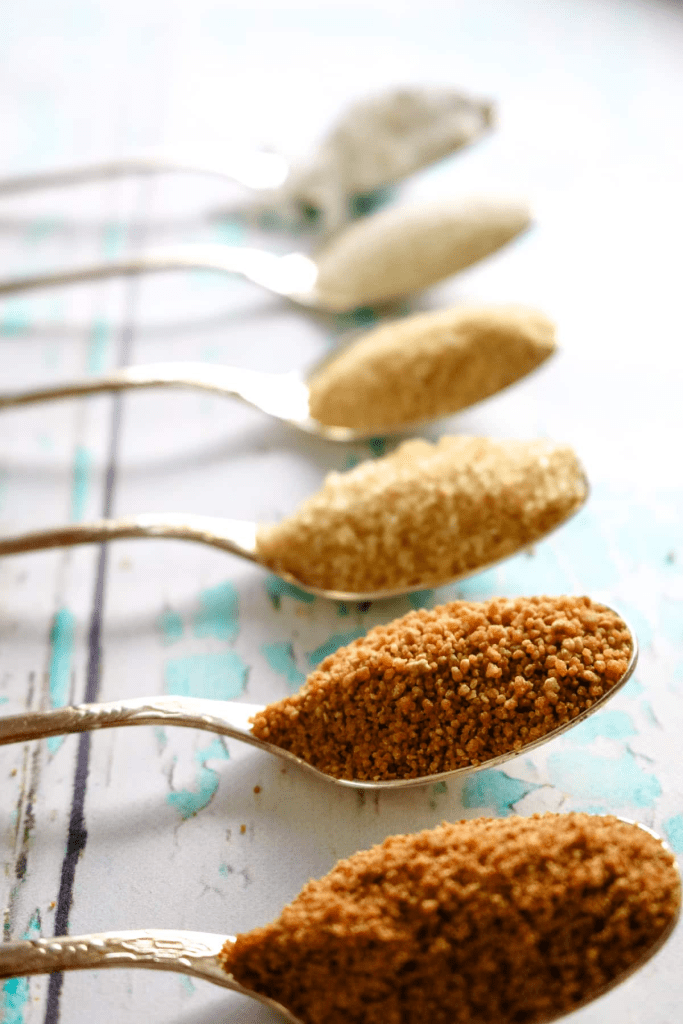
Sweeteners are best used sparingly.
Common options include:
• Chicory root syrup or maple syrup
• Manuka honey or raw local honey
• Coconut sugar or maple sugar
General guideline:
No more than 7 teaspoons per day combined. food list
Dairy & Dairy Alternatives

Dairy is usually kept minimal during stabilisation. Avoiding dairy altogether is often easier, but if this initially feels too restrictive there may be small exceptions.
Examples that may be tolerated in limited amounts include:
• Cheddar, mozzarella or feta (around 1 tablespoon)
• Butter (1–2 tablespoons)
For cheeses, ingredients should ideally be limited to:
milk, sea salt and rennet (calf or microbial rennet — avoid vegetarian rennet where possible).
Yoghurt
Yoghurt is typically introduced later once symptoms are more stable.
Some plant-based yogurts or specific low-acid recipes may be tolerated depending on ingredients and individual sensitivity. If using yoghurt during stabilisation, choose options with minimal ingredients and no added acids or flavourings.
Plant-based alternatives include:
• Nut or seed milks without additives
• Coconut milk (coconut + water only)
• Tahini
During Phase 1 the digestive system is often highly sensitive. The goal is to keep drinks simple, soothing, and non-irritating.
Only a small number of teas are recommended in this phase.
Teas allowed in Phase 1
• Matcha green tea
• Chamomile tea
• Turmeric and ginger tea (without black pepper)
These teas are generally gentle and can support calm digestion and inflammation balance.
Making tea easier on digestion
From personal experience, many people find strong tea can feel bitter or slightly irritating on an empty stomach.
Adding a small splash of dairy-free milk can help soften the flavour and make tea easier on the digestive system.
Examples include:
• Almond milk
• Tigernut milk
• Coconut milk (simple ingredients)
This is optional, but it can make tea more comfortable during the stabilisation phase.
Tea timing tips
• Avoid drinking large amounts of tea on a completely empty stomach if reflux is active.
• Warm tea can be helpful between meals, especially during symptom flare days.
• Chamomile tea in the evening may support nervous system calm and sleep.
Water
Avoid drinking around meals as this can cause digestive system to become water logged, thus increasing gastric emptying time.
Alkaline water is adviced to reduce acidity in the body to avoid inflammation.
Salt
Use celtic salt daily as it is packed with minerals the can support the bodies healing process. Sea salt and himalayan rock salt is also allowed for additional flavour.
Additional Practical Guidelines
Cook foods gently
Steaming, baking, and light sautéing are often better tolerated than heavy frying.
Avoid stacking restrictive diets
Combining multiple elimination diets at once can make eating unnecessarily stressful.
Keep ingredients simple
Foods with fewer additives and preservatives are generally easier for many people to tolerate.
Choose minimally processed foods
Whole ingredients allow you to better understand how your body responds.
Eat in a calm environment
Stress can significantly affect digestion and reflux patterns.
Foods Often Introduced Later (Maintenance Phase)
Some foods are usually reintroduced once symptoms have stabilised.
These may include:
• Onion and garlic
• Leeks
• Bell peppers
• Tomatoes
• Lean red meat
These foods are not inherently harmful, but some people find they are easier to tolerate once the digestive system has stabilised. food extras
A Note on Individual Tolerance
If a food consistently triggers symptoms, it may be helpful to pause it temporarily and reintroduce it later.
Responses to dietary changes vary widely between individuals. The aim of this phase is not perfection — it is stability and predictability.
Support Practices – Daily 10-Minute Reset
Supporting the Body’s Natural Detox Pathways
Alongside food and supplements, gentle daily practices can help support circulation, breathing patterns, lymphatic flow and nervous system balance.
These practices are intentionally simple and take only a few minutes. The goal is not intensity, but consistency and gentle stimulation of the body’s natural systems.
Morning Breathing Exercise
The lungs play an important role in removing metabolic waste and supporting oxygen delivery throughout the body.
A few minutes of slow, intentional breathing each morning can help support circulation, nervous system balance and oxygenation.
Simple breathing routine
• Sit or stand comfortably
• Inhale slowly through the nose for 4 seconds
• Hold gently for 2 seconds
• Exhale slowly through the mouth for 6 seconds
• Repeat for 3–5 minutes
This can also help activate the parasympathetic nervous system, which supports digestion and recovery.
Posture Reset Exercise
Poor posture can place pressure on the abdomen and diaphragm, potentially aggravating reflux and digestive discomfort. It can also affect breathing patterns and neural communication through the spine.
A simple posture reset can help open the chest, improve breathing mechanics and reduce unnecessary tension.
Basic posture reset
• Stand upright with feet shoulder-width apart
• Roll shoulders gently backwards several times
• Lift the chest slightly without arching the lower back
• Lengthen the back of the neck
• Take several slow breaths in this position
Practising this for 1–2 minutes in the morning can help set a healthier posture for the day.
Lymphatic Activation (Daily)
The lymphatic system helps move waste products and immune cells throughout the body. Unlike the circulatory system, it relies heavily on movement and muscle activity to circulate fluid.
A simple daily lymphatic activation routine can support this natural flow.
Gentle lymphatic activation routine
• Lightly shake or bounce the body for 30–60 seconds
• Use gentle rubbing or sweeping motions toward the lymph nodes:
Move hands toward:
• the armpits
• the groin area
• the collarbone region
The movements should be light and rhythmic, not forceful.
This routine typically takes 2–3 minutes and can be done in the morning or before a shower.
Why These Practices Are Included
These practices are included in the protocol because they help support:
• circulation
• lymphatic movement
• breathing patterns
• nervous system balance
• detoxification pathways
They are intentionally simple so they can be sustainable long term.
Consistency is more beneficial than intensity.
A Note on Pace
If energy levels are low, these practices can be shortened or performed more gently.
Even 1–2 minutes per day can still support the body without creating additional stress.
The aim is to support the body’s natural systems — not overwhelm them.
 Vision of Vitaliy