
Phase 2 begins once the digestive system has started to stabilise.
In Phase 1 the goal was to calm irritation and establish predictable eating patterns. Phase 2 builds on that stability by gradually refining the diet to reduce deeper drivers of inflammation while maintaining the calm structure already created.
This phase is not about sudden restriction or extreme elimination.
Instead, it introduces a gentle reset of dietary habits that supports gut balance while keeping meals simple and manageable.
The aim is to move from stability toward gradual repair.
Goals for This Phase
• Maintain the digestive stability established in Phase 1
• Reduce dietary triggers that may contribute to inflammation
• Simplify food choices while maintaining adequate nourishment
• Begin supporting gut and microbiome balance
• Continue building a calm and sustainable relationship with food
Progress in this phase often looks like steadier energy, fewer symptom fluctuations, and improved digestive comfort.
Why a Gentle Reset Matters
Once symptoms begin to stabilise, many people feel tempted to experiment with multiple diets or supplements at once.
However, adding too many new variables can quickly recreate the same instability Phase 1 was designed to calm.
The Gentle Reset phase focuses on reducing hidden irritants while maintaining simplicity.
This approach helps prevent:
• dietary stacking (combining multiple restrictive protocols)
• excessive food anxiety
• unnecessary nutrient restriction
• digestive overload
Instead of constantly changing foods, Phase 2 emphasises consistency with small improvements.
Meal Rhythm
The meal rhythm established in Phase 1 continues in Phase 2.
Aim for:
• three structured meals per day
• optional small snacks if needed for stability
• evenly spaced meals to avoid long hunger gaps
Large meals can still aggravate reflux patterns, so moderate portions remain helpful.
Consistency remains more important than variety.
General Principles for Phase 2
• Continue prioritising gently cooked foods
• Maintain simple ingredient lists
• Reduce hidden sugars and additives
• Avoid stacking multiple restrictive diets
• Continue eating in a calm environment where possible
• Avoid alcohol entirely during the reset phase
Phase 2 is still about supporting the body, not forcing rapid change.
Core Foods in Phase 2
Many of the foods from Phase 1 continue to form the foundation of the diet.
The difference in Phase 2 is a stronger emphasis on whole foods, stable blood sugar, and reduced inflammatory triggers.
Simple Proteins
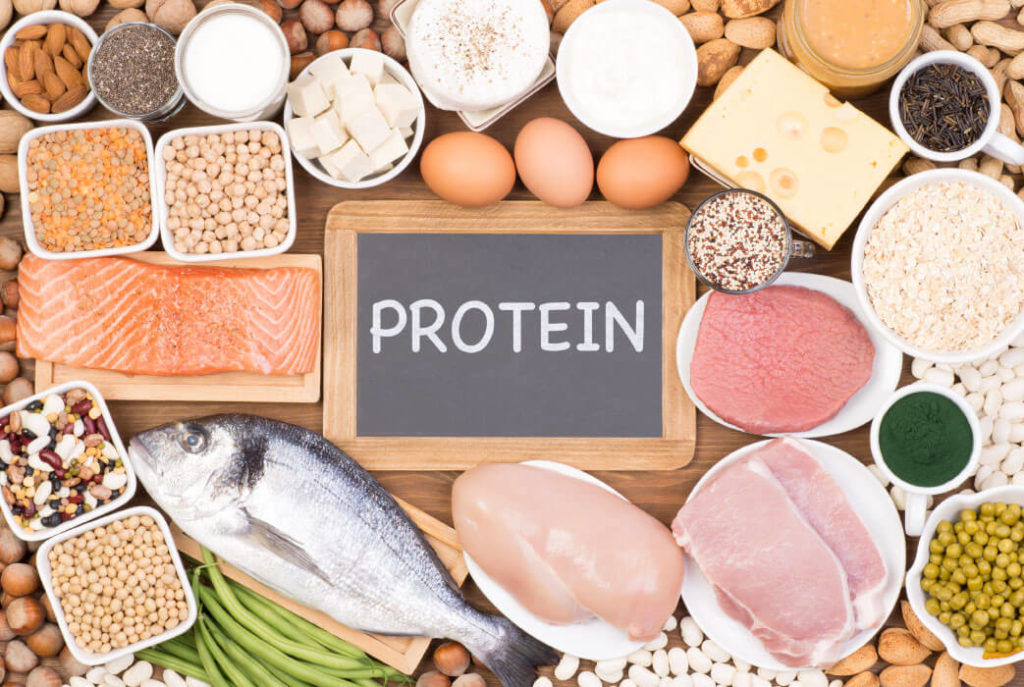
Examples include:
• Chicken
• Turkey
• Fish and seafood
• Eggs (if tolerated)
• Tofu or tempeh
These proteins are generally well tolerated when prepared simply.
Red meat is still best limited during this phase and is typically introduced later once digestive stability is stronger.
Vegetables

Vegetables remain a core part of the diet and should continue to be eaten regularly.
Cooked vegetables are still often easier to tolerate than raw vegetables during this stage.
Examples include:
• Broccoli
• Cauliflower
• Kale
• Spinach
• Cabbage
• Bok choy
• Carrots
• Celery
• Mushrooms
• Green beans
• Peas and snow peas
• Sweet potatoes
• Pumpkin
• Squash varieties
• Artichokes
• Beets
• Eggplant
• Cucumber
Vegetables such as onion, garlic, and bell peppers may begin to be introduced in small amounts if tolerated.
Fruits
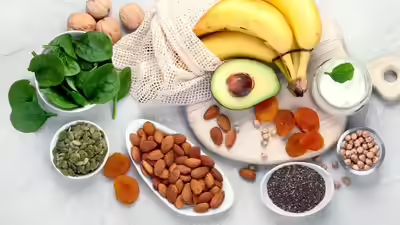
Fruit can remain moderate and simple.
Common examples include:
• Bananas
• Pears
• Papaya
• Honeydew melon
• Avocado
• Lychee
Berries can continue to be used in smoothies blended with plant-based milk or alkaline ingredients.
As stability improves, some individuals may gradually tolerate small portions of blueberries or blackberries on their own.
Whole Grains, Seeds & Carbohydrates
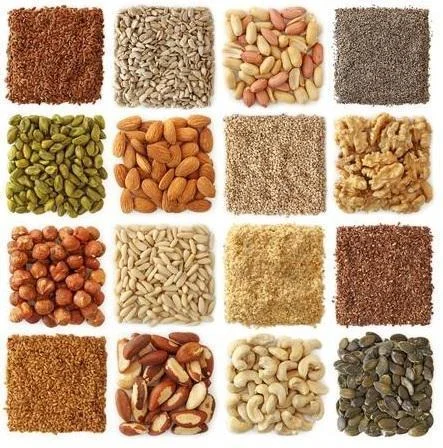
Whole grains continue to provide stable energy and support digestive regularity.
Examples include:
• Oats
• Brown rice
• Black rice
• Whole grains
• Brown rice cakes
• Whole grain pasta
• Whole grain flours
Additional supportive grains and seeds include:
• Amaranth
• Millet
• Quinoa
• Buckwheat
• Sprouted grains
• Flax seeds
• Chia seeds
Preparing grains through soaking, sprouting, or gentle cooking may improve digestibility.
Healthy Fats
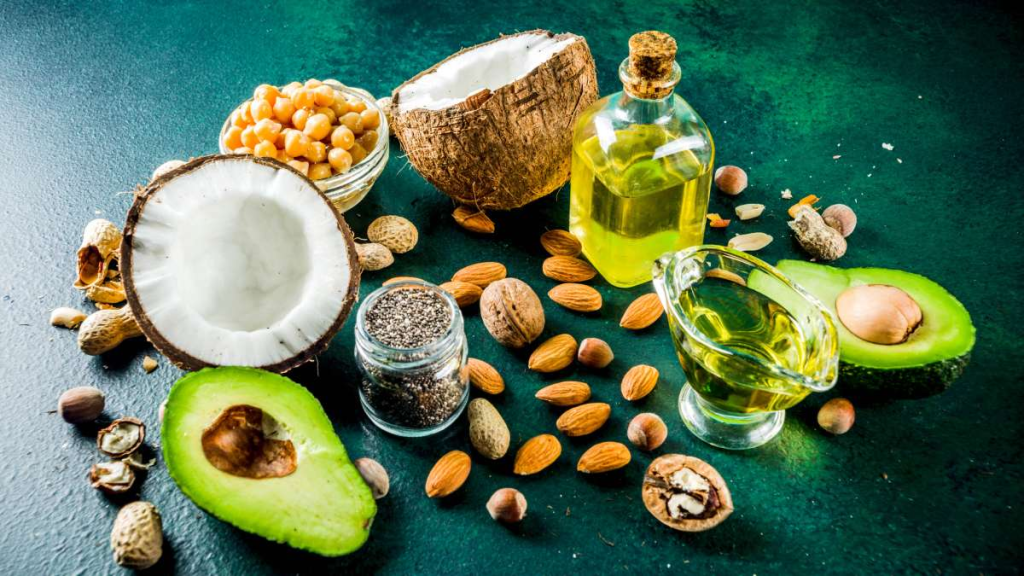
Healthy fats remain important but should still be consumed in moderation.
Examples include:
• Extra virgin olive oil
• Unrefined coconut oil
• Nuts and seeds
• Nut or seed butters (single ingredient)
Moderate fat intake can support energy while avoiding excessive digestive load.
Herbs & Spices
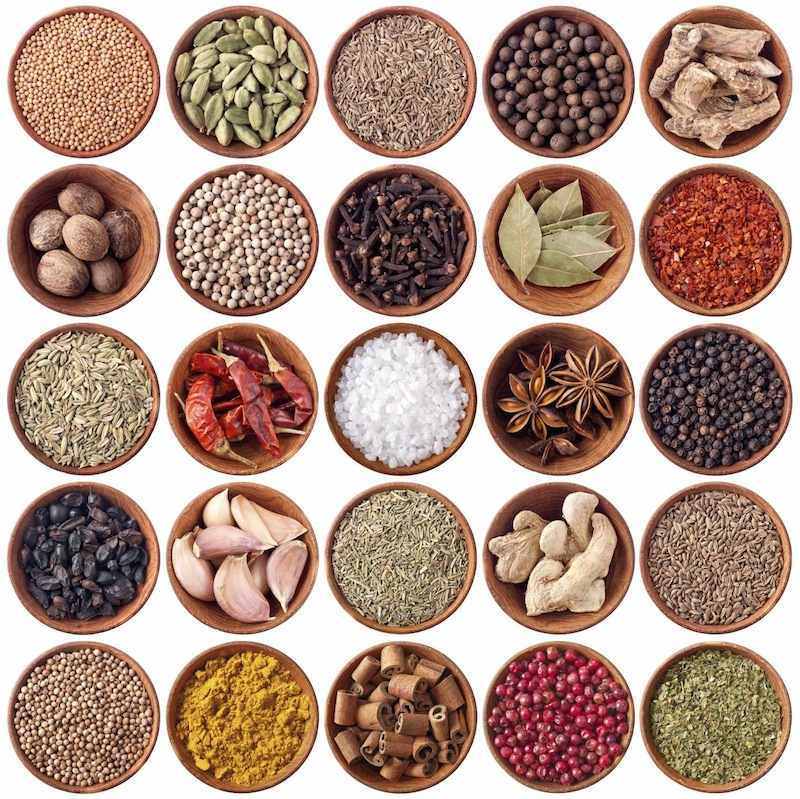
Gentle herbs and spices remain helpful for flavour while avoiding irritation.
Examples include:
• Basil
• Parsley
• Rosemary
• Thyme
• Dill
• Sage
• Fennel
• Cinnamon
• Turmeric
• Ginger
• Coriander
• Bay leaf
Highly spicy seasonings such as chili powder, cayenne, or heavily peppered blends are still best avoided.
Sweeteners
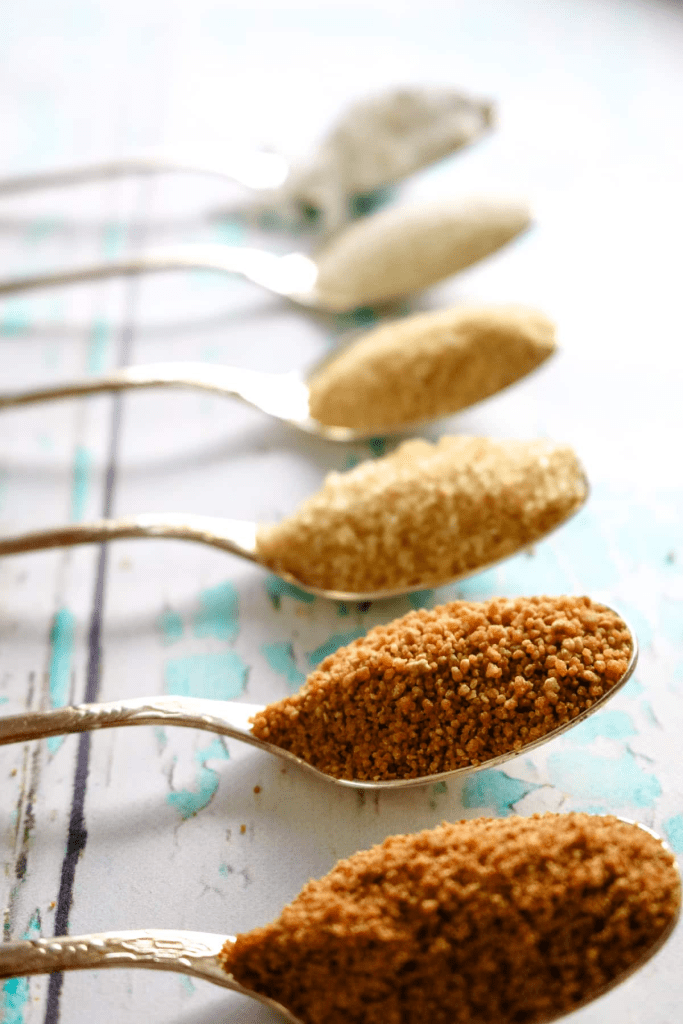
Sweeteners should remain minimal.
Examples include:
• Chicory root syrup
• Raw local honey
• Manuka honey
• Maple syrup or maple sugar
General guideline: keep total sweeteners under approximately 6–7 teaspoons per day combined.
Dairy & Dairy Alternatives

During Phase 2, dairy is generally discouraged, as many people find it can contribute to digestive irritation or inflammation.
However, if removing dairy completely feels too restrictive at this stage, a small transitional allowance can be used.
If needed, the following may be tolerated:
• 1 tablespoon of cream cheese or cottage cheese
• no more than twice per week
This allowance is intended as a gradual transition rather than a permanent inclusion.
In later phases of the protocol, dairy is typically removed entirely.
Plant-based alternatives include:
• Nut or seed milks without additives i.e. tigernut, almond, cashew
• Coconut milk (coconut + water only)
• Tahini
Yoghurt
Yoghurt is generally best avoided during this phase unless it is a very simple, additive-free version that you tolerate well.
Plant-based yogurts may be explored cautiously, but ingredients should remain minimal and free from acids, flavourings, and stabilisers.
Tea options remain the same during Phase 2 while the digestive system continues to stabilise.
The focus is still on gentle, non-irritating teas.
Teas allowed in Phase 2
• Matcha green tea
• Chamomile tea
• Turmeric and ginger tea (without black pepper)
These teas can support digestion while avoiding excessive stimulation.
Supporting digestion with tea
Many people find that warm liquids support digestion during the reset phase. Drinking tea slowly between meals can help maintain hydration and reduce the urge to snack unnecessarily.
As in Phase 1, adding a small amount of dairy-free milk can help soften bitterness if needed.
Evening tea
Chamomile tea is particularly helpful in the evening as it may support relaxation and improve sleep quality.
Sleep and nervous system regulation remain important parts of the healing process during this phase.
Water
Avoid drinking around meals as this can cause digestive system to become water logged, thus increasing gastric emptying time.
Alkaline water is adviced to reduce acidity in the body to avoid inflammation.
Salt
Use celtic salt daily as it is packed with minerals the can support the bodies healing process. Sea salt and himalayan rock salt is also allowed for additional flavour.
Additional Practical Guidelines
Cook foods gently
Steaming, baking, and light sautéing remain preferable to heavy frying.
Continue avoiding dietary stacking
Combining multiple restrictive protocols can recreate the same overwhelm that Phase 1 aimed to resolve.
Watch ingredient lists
Many processed foods contain additives, flavourings, or acids that may aggravate symptoms.
Keep meals simple
Meals built around protein + vegetables + whole grains often work well during this phase.
Foods Still Best Avoided in Phase 2
To maintain stability, it is still helpful to avoid:
• alcohol
• highly processed foods
• sugary drinks
• very spicy foods
• heavily acidic foods
• large quantities of dairy
• highly refined carbohydrates
The aim is not perfection, but consistent reduction of known irritants.
Support Practices – Daily 10-Minute Reset
Supporting the Body’s Natural Detox Pathways
Alongside food and supplements, gentle daily practices can help support circulation, breathing patterns, lymphatic flow and nervous system balance.
These practices are intentionally simple and take only a few minutes. The goal is not intensity, but consistency and gentle stimulation of the body’s natural systems.
Morning Breathing Exercise
The lungs play an important role in removing metabolic waste and supporting oxygen delivery throughout the body.
A few minutes of slow, intentional breathing each morning can help support circulation, nervous system balance and oxygenation.
Simple breathing routine
• Sit or stand comfortably
• Inhale slowly through the nose for 4 seconds
• Hold gently for 2 seconds
• Exhale slowly through the mouth for 6 seconds
• Repeat for 3–5 minutes
This can also help activate the parasympathetic nervous system, which supports digestion and recovery.
Posture Reset Exercise
Poor posture can place pressure on the abdomen and diaphragm, potentially aggravating reflux and digestive discomfort. It can also affect breathing patterns and neural communication through the spine.
A simple posture reset can help open the chest, improve breathing mechanics and reduce unnecessary tension.
Basic posture reset
• Stand upright with feet shoulder-width apart
• Roll shoulders gently backwards several times
• Lift the chest slightly without arching the lower back
• Lengthen the back of the neck
• Take several slow breaths in this position
Practising this for 1–2 minutes in the morning can help set a healthier posture for the day.
Lymphatic Activation (Daily)
The lymphatic system helps move waste products and immune cells throughout the body. Unlike the circulatory system, it relies heavily on movement and muscle activity to circulate fluid.
A simple daily lymphatic activation routine can support this natural flow.
Gentle lymphatic activation routine
• Lightly shake or bounce the body for 30–60 seconds
• Use gentle rubbing or sweeping motions toward the lymph nodes:
Move hands toward:
• the armpits
• the groin area
• the collarbone region
The movements should be light and rhythmic, not forceful.
This routine typically takes 2–3 minutes and can be done in the morning or before a shower.
Why These Practices Are Included
These practices are included in the protocol because they help support:
• circulation
• lymphatic movement
• breathing patterns
• nervous system balance
• detoxification pathways
They are intentionally simple so they can be sustainable long term.
Consistency is more beneficial than intensity.
A Note on Pace
If energy levels are low, these practices can be shortened or performed more gently.
Even 1–2 minutes per day can still support the body without creating additional stress.
The aim is to support the body’s natural systems — not overwhelm them.
When to Move Forward
You may be ready for Phase 3 – Microbiome Rebuild when:
• digestion feels stable most days
• meals feel predictable and comfortable
• energy levels are improving
• food anxiety has reduced
• symptoms flare less frequently
Some people remain in Phase 2 for several weeks. Others may take longer.
The key signal is increasing stability and resilience.
The Transition to Phase 3
Phase 3 focuses on gradually rebuilding microbiome diversity and strengthening gut resilience.
This stage introduces more targeted nutritional support and continues the principle that has guided the protocol so far:
one change at a time.
 Vision of Vitaliy