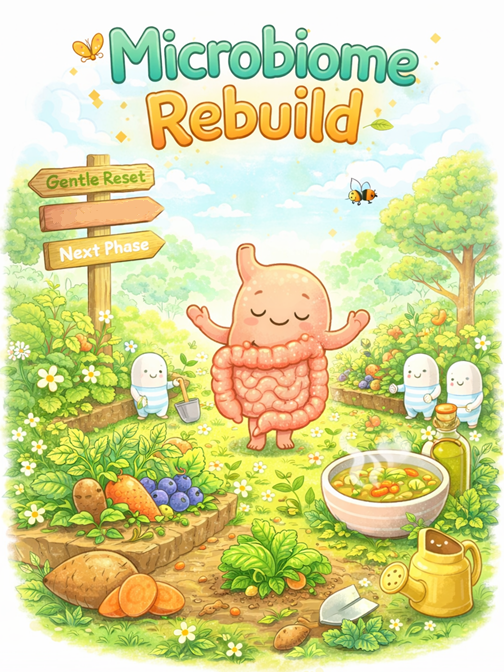
Once symptoms have stabilised and baseline tolerance has improved, the focus shifts toward rebuilding diversity and resilience within the gut ecosystem.
This phase moves beyond stabilisation and gentle reset into supporting the long-term balance of the microbiome.
Rather than aggressively targeting specific organisms, the goal is to create conditions where beneficial microbes can thrive while reducing factors that tend to favour imbalance.
This phase prioritises gradual expansion rather than restriction.
Goals for This Phase
• Increase food diversity slowly and intentionally
• Support beneficial microbial balance through whole foods
• Reduce reliance on highly refined carbohydrates and sugars
• Improve digestive tolerance and resilience
• Strengthen overall gut ecosystem stability
Progress during this phase often appears as:
• improved digestion
• better energy stability
• fewer inflammatory flare-ups
• increased tolerance to a wider variety of foods
The goal is adaptability, not perfection.
Why Rebuilding the Microbiome Matters
The gut microbiome is an ecosystem made up of trillions of microorganisms that influence digestion, immune signalling, inflammation, and metabolic balance.
When diversity is reduced or certain organisms become dominant, symptoms such as bloating, fatigue, skin flare-ups, sugar cravings, or digestive discomfort can become more common.
The purpose of this phase is not to eliminate microbes entirely, but to restore balance within the system.
This is achieved primarily through food choices that support beneficial microbial activity while reducing the environmental conditions that encourage imbalance.
Meal Rhythm
The structured eating rhythm developed in earlier phases remains important.
Aim for:
• three structured meals per day
• optional small snacks if needed
• consistent meal timing where possible
Avoiding constant grazing can sometimes help support digestive rhythm and blood sugar balance.
Meals should remain simple, nourishing, and repeatable.
General Principles for Phase 3
• Increase plant and fibre diversity gradually
• Prioritise whole, minimally processed foods
• Reduce added sugars and refined carbohydrates
• Avoid foods that commonly promote microbial imbalance
• Continue avoiding alcohol during the rebuilding phase
• Introduce new foods slowly and observe tolerance
The focus remains on one change at a time.
Introducing too many new foods or supplements simultaneously can make it difficult to identify what supports or aggravates symptoms.
Supplements
By phase 3 you should be able to hold down nutrients so it is highly encouraged to invest in the various supplements that can aid your bodily functions.
Core Foods in Phase 3
Many of the foods from earlier phases remain foundational, but Phase 3 places stronger emphasis on microbiome-supportive foods and fibre diversity.
Simple Proteins
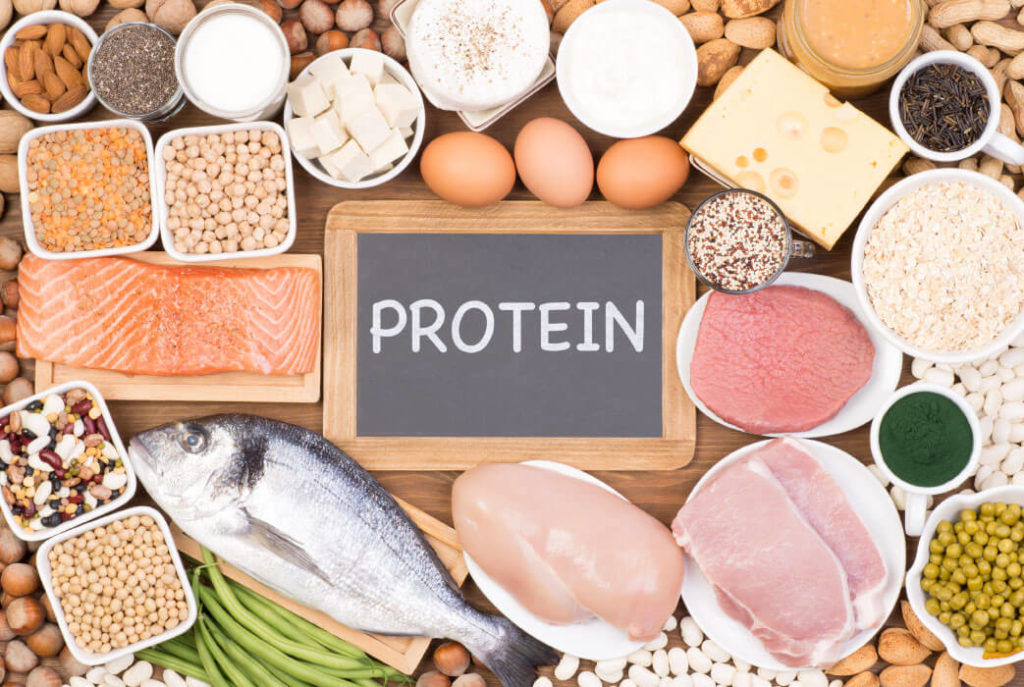
Protein sources continue to form the backbone of most meals.
Examples include:
• Chicken
• Turkey
• Red Meat – Lamb, Beef, Duck (in moderation: see below)
• Fish and seafood
• Eggs (if tolerated)
• Tofu or tempeh
Protein helps stabilise blood sugar and can support satiety during microbiome rebuilding.
Red meat may be introduced occasionally if tolerated but should remain moderate up to 3 times a week as it can increase inflammation which disrupts the gut from healing. Lamb is a better choice than beef as it is slightly easier to digest and contains a wider array of nutrients.
Vegetables

Vegetables are one of the most important contributors to microbiome diversity.
Aim to gradually expand vegetable variety while still prioritising digestibility.
Examples include:
• Broccoli
• Cauliflower
• Swede/ Rutabaga (the best ‘carb’ choice – as its a strong antifungal)
• Kale
• Spinach
• Cabbage
• Bok choy
• Carrots (using sparingly)
• Celery
• Mushrooms
• Green beans
• Peas
• Sweet potatoes (limit to 1/2 sweet potato – 3 times a week)
• Pumpkin (high moderation)
• Squash varieties
• Artichokes
• Beets
• Eggplant
• Cucumber
Vegetables can be eaten cooked or lightly raw depending on tolerance.
Increasing variety over time supports microbial diversity.
Natural Antifungal Foods
As the digestive system stabilises and the microbiome rebuilding phase begins, certain foods that were avoided earlier in the protocol may be gradually introduced.
Some vegetables contain naturally occurring compounds that have been traditionally associated with antimicrobial and antifungal support.
Examples include:
• Onion
• Garlic
• Leeks
These vegetables belong to the allium family, which are widely studied for their sulphur-containing compounds and their potential role in supporting microbial balance within the gut.
Because these foods can sometimes aggravate reflux or digestive irritation during early stabilisation phases, they are usually avoided in Phase 1 and introduced carefully during Phase 3 once tolerance has improved.
How to introduce allium vegetables
Start slowly and observe tolerance.
For many people, well-cooked forms are easier to tolerate initially.
Examples include:
• cooked onions added to soups or stews
• lightly sautéed garlic in cooking oils
• cooked leeks added to vegetable dishes
Raw versions can be tested later if digestion feels stable.
As with all foods in this phase, introduce one new variable at a time and observe how the body responds.
Fruits

Fruit intake should remain moderate and intentional during this phase as the fructose can feed the fungal overgrowth with this the gut, causing an imbalance.
Examples include:
• Berries (blueberries, blackberries, raspberries, mulberries)
• Apples (green only) – limit up to 1/2 an apple a day
• Avocado
Fruits should be consumed in moderation – limit up to a cup full a day.
The aim is to support balance rather than excessive sugar intake.
Whole Grains, Seeds & Carbohydrates
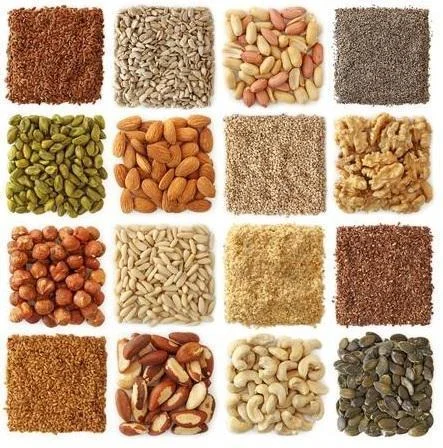
Whole grains can remain part of the diet but should emphasise minimally processed, fibre-rich options.
Examples include:
• Oats (gluten free)
• Brown rice
• Black rice
• Quinoa
• Buckwheat
• Millet
• Amaranth
• Sprouted grains
Seeds that support fibre diversity include:
• Flax seeds
• Chia seeds
• Pumpkin seeds
• Linseed
• Sesame See
Preparing grains through soaking or sprouting may improve digestibility for some individuals.
Nuts & Nut Milks

Certain nuts remain well tolerated, while others are better avoided during microbiome rebuilding.
Generally well tolerated:
• Almonds
• Almond milk
• Tigernut milk
• Tigernuts
Best avoided during this phase:
• Cashews
• Cashew milk
These foods may be reintroduced later once the microbiome feels more stable.
Healthy Fats
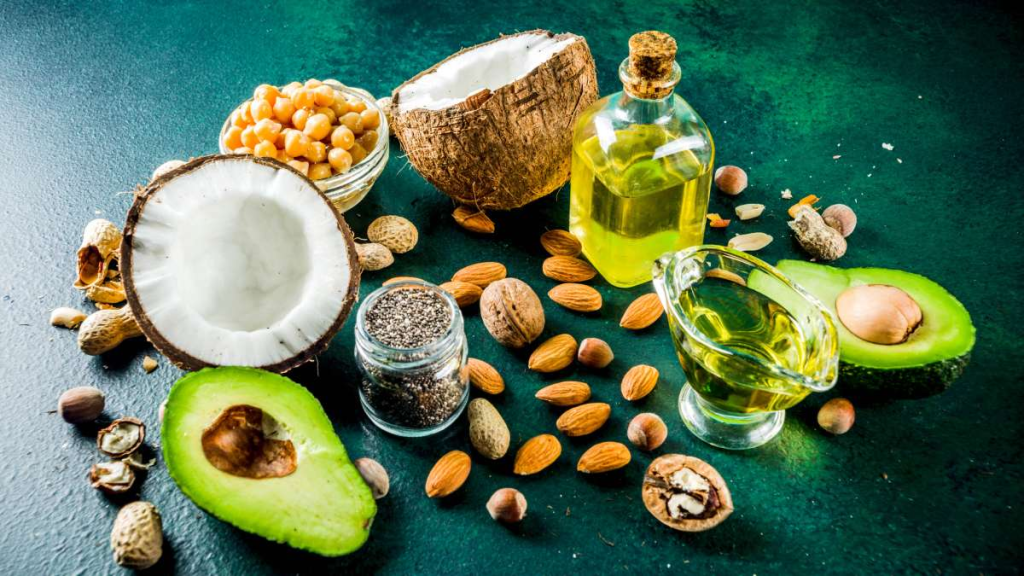
Healthy fats continue to support energy and satiety.
Examples include:
• Extra virgin olive oil
• Coconut oil
• Nuts and seeds
• Nut and seed butters (single ingredient)
Fats should remain balanced rather than excessive.
Herbs & Spices
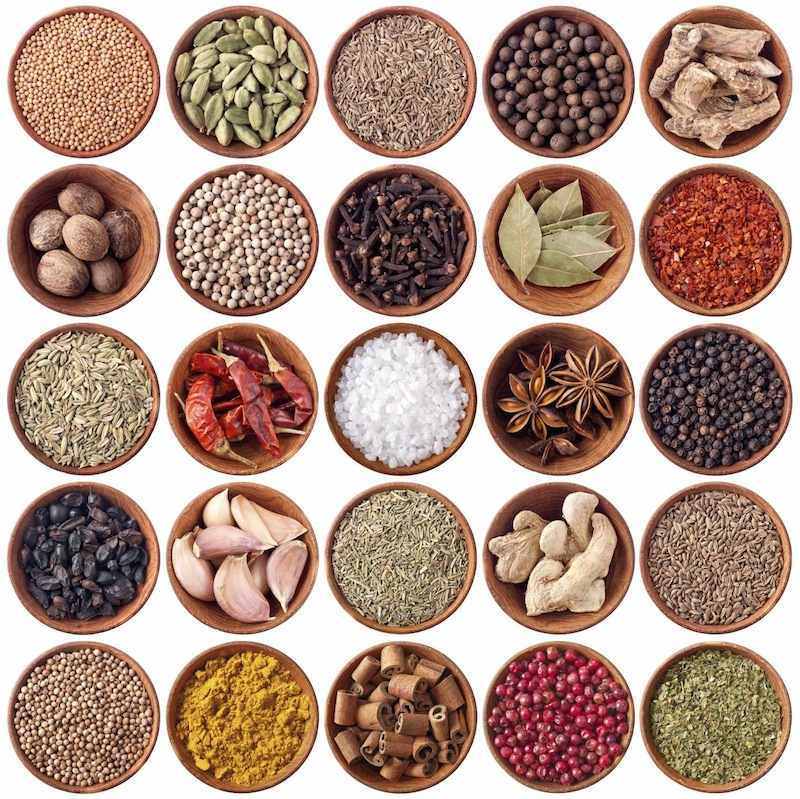
Herbs and spices can support both flavour and digestive function.
Examples include:
• Basil
• Parsley
• Rosemary
• Thyme
• Dill
• Sage
• Fennel
• Turmeric
• Ginger
• Cinnamon
Very spicy ingredients may still aggravate reflux in some individuals and can be introduced cautiously.
Foods to Limit During Phase 3
During microbiome rebuilding it can be helpful to limit foods that may encourage microbial imbalance.
Examples include:
• refined sugars
• highly processed foods
• refined white flour products
• excessive sweeteners
• alcohol
• high-sugar beverages
Reducing these foods helps shift the gut environment toward a more balanced microbial ecosystem.
Dairy
Dairy is generally removed during this phase.
Many individuals exploring microbiome-focused approaches find dairy can aggravate digestive symptoms or inflammation.
Plant-based alternatives such as:
• almond milk
• tigernut milk
• coconut milk (simple ingredients)
may be used instead.
Sweeteners
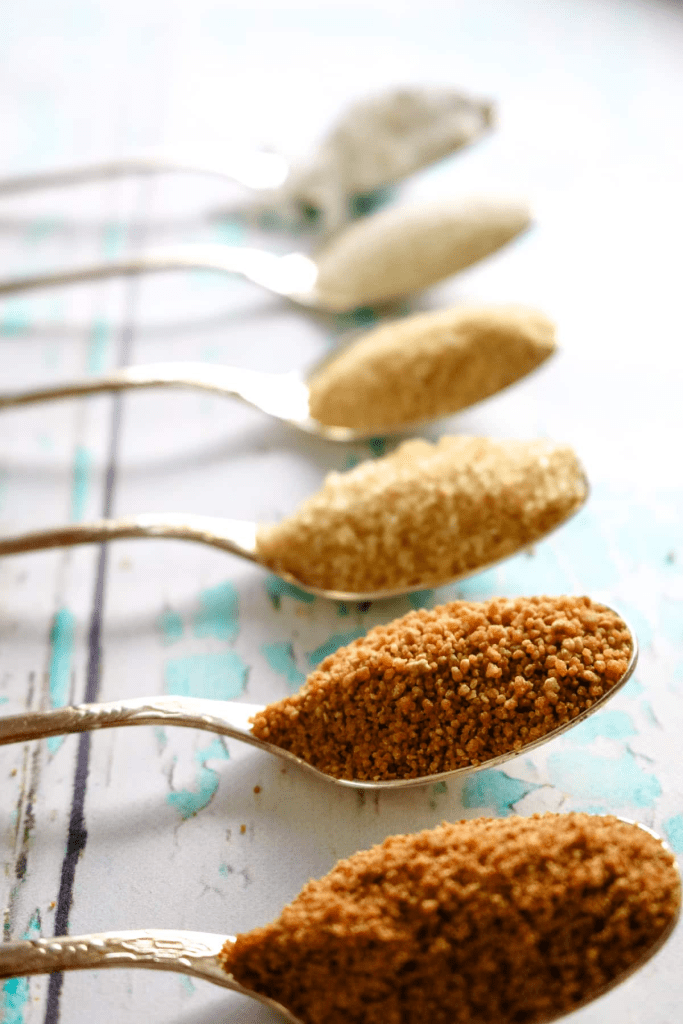
Sweeteners should remain minimal during microbiome rebuilding.
Occasional use of natural sweeteners such as:
• raw manuka honey (unheated) – best on cold food like home made granola – limit to 2 tsp daily
• xylitol (made fro birch only) – limit up to 5 teaspoons daily (have days off and use in moderation)
– keep xylitol away from dogs as it is highly toxic to them
• chicory root syrup – limit up to 5 teapoons daily.
• erythritol – limit up to 5 teaspoons daily if tolerated.
may be tolerated in small amounts, but frequent sugar intake can interfere with microbial balance, so try to limit where possible.
By Phase 3 the digestive system is usually more stable, and tea options can expand slightly.
This phase introduces white tea as a regular daily drink.
Recommended teas in Phase 3
• White tea (encouraged regularly)
• Matcha green tea
• Chamomile tea
• Turmeric and ginger tea (without black pepper)
White tea
White tea is encouraged during this phase and may be consumed up to three times per day.
White tea is traditionally valued for its antioxidant profile and gentle cleansing properties, which may support the body during microbiome rebuilding phases.
Because it is naturally lighter than many other teas, it is often easier on the digestive system than stronger black teas or coffees.
Evening tea
Chamomile tea continues to be recommended in the evening.
Supporting sleep is important during microbiome rebuilding, as many restorative processes occur overnight.
Drink lots of water
The body will need extra support cleansing the body, requiring as much bowel and bladder movement, as well as sweating, as possible. To do this you need to be drinking at least 7 pints of water a day, more for larger folks, plus the tea.
Alkaline water is adviced to reduce acidity in the body to avoid inflammation. Drink on empty stomach.
Avoid drinking around meals as this can cause digestive system to become water logged, thus increasing gastric emptying time.
Salt
Use celtic salt daily as it is packed with minerals the can support the bodies healing process. Sea salt and himalayan rock salt is also allowed for additional flavour.
Supporting Microbiome Diversity
The most effective strategy for supporting microbiome balance is increasing the diversity of whole plant foods gradually.
This includes:
• vegetables
• herbs
• spices
• seeds
• whole grains
Rather than focusing on eliminating microbes, the aim is to create an environment where beneficial organisms can thrive naturally.
Daily ’10-Minute Reset’
Supporting the Body’s Natural Detox Pathways
Alongside food and supplements, gentle daily practices can help support circulation, breathing patterns, lymphatic flow and nervous system balance.
These practices are intentionally simple and take only a few minutes. The goal is not intensity, but consistency and gentle stimulation of the body’s natural systems.
Morning Breathing Exercise
The lungs play an important role in removing metabolic waste and supporting oxygen delivery throughout the body.
A few minutes of slow, intentional breathing each morning can help support circulation, nervous system balance and oxygenation.
Simple breathing routine
• Sit or stand comfortably
• Inhale slowly through the nose for 4 seconds
• Hold gently for 2 seconds
• Exhale slowly through the mouth for 6 seconds
• Repeat for 3–5 minutes
This can also help activate the parasympathetic nervous system, which supports digestion and recovery.
Posture Reset Exercise
Poor posture can place pressure on the abdomen and diaphragm, potentially aggravating reflux and digestive discomfort. It can also affect breathing patterns and neural communication through the spine.
A simple posture reset can help open the chest, improve breathing mechanics and reduce unnecessary tension.
Basic posture reset
• Stand upright with feet shoulder-width apart
• Roll shoulders gently backwards several times
• Lift the chest slightly without arching the lower back
• Lengthen the back of the neck
• Take several slow breaths in this position
Practising this for 1–2 minutes in the morning can help set a healthier posture for the day.
Lymphatic Activation (Daily)
The lymphatic system helps move waste products and immune cells throughout the body. Unlike the circulatory system, it relies heavily on movement and muscle activity to circulate fluid.
A simple daily lymphatic activation routine can support this natural flow.
Gentle lymphatic activation routine
• Lightly shake or bounce the body for 30–60 seconds
• Use gentle rubbing or sweeping motions toward the lymph nodes:
Move hands toward:
• the armpits
• the groin area
• the collarbone region
The movements should be light and rhythmic, not forceful.
This routine typically takes 2–3 minutes and can be done in the morning or before a shower.
Dry Brushing
Once Phase 3 begins and the body is more stable, dry brushing can be introduced as an additional lymphatic support practice.
Suggested frequency:
• every other week
• before showering
Use a natural bristle lymphatic brush and brush gently toward the heart.
Typical brushing directions:
• feet → toward knees
• hands → toward shoulders
• torso → toward lymph nodes (armpits and groin)
Avoid brushing irritated or inflamed skin.
Why These Practices Are Included
These practices are included in the protocol because they help support:
• circulation
• lymphatic movement
• breathing patterns
• nervous system balance
• detoxification pathways
They are intentionally simple so they can be sustainable long term.
Consistency is more beneficial than intensity.
A Note on Pace
If energy levels are low, these practices can be shortened or performed more gently.
Even 1–2 minutes per day can still support the body without creating additional stress.
The aim is to support the body’s natural systems — not overwhelm them.
A Note on Symptoms
When increasing fibre diversity, mild digestive changes can occasionally occur as the microbiome adapts.
This is why gradual introduction is important.
If a new food consistently causes discomfort, pause it temporarily and reintroduce it later.
Listening to the body remains an important part of this phase.
When to Move to Phase 4
You may be ready to move toward the final phase when:
• digestion feels stable most days
• a wide range of foods are tolerated comfortably
• energy and resilience have improved
• food anxiety has significantly reduced
At this stage the focus shifts toward long-term sustainability rather than structured protocols.
Next Step
Phase 4 introduces the 80/20 balanced lifestyle approach, where the foundation built through earlier phases becomes a flexible and sustainable way of living rather than a strict framework.
The goal is not lifelong restriction.
It is long-term balance and resilience.
 Vision of Vitaliy